German homes have a certain look that can be hard to describe until you start noticing the details. They often feel neat, practical, solid, and welcoming without being overly decorative. Some are centuries-old houses with timber framing and colorful facades, while others are sleek modern buildings with large windows and simple shapes. Despite the differences, there are architectural choices that give many German homes a recognizable character. From rooflines and materials to proportions and landscaping, the German aesthetic often combines practicality with a strong sense of place.
Clean Lines and Practical Design
One of the first things you may notice about German residential architecture is its sense of order. Many homes favor straightforward shapes, balanced proportions, and designs that have a clear purpose. This practical approach is closely connected to the country’s architectural traditions. For anyone interested in how architecture shapes the built environment, Muenchen ARCHITEKTUR offers a compelling perspective on the relationship among design, function, and place. Even contemporary German homes tend to avoid unnecessary decoration when a simpler solution works just as well.
The Roof That Does a Lot of the Talking
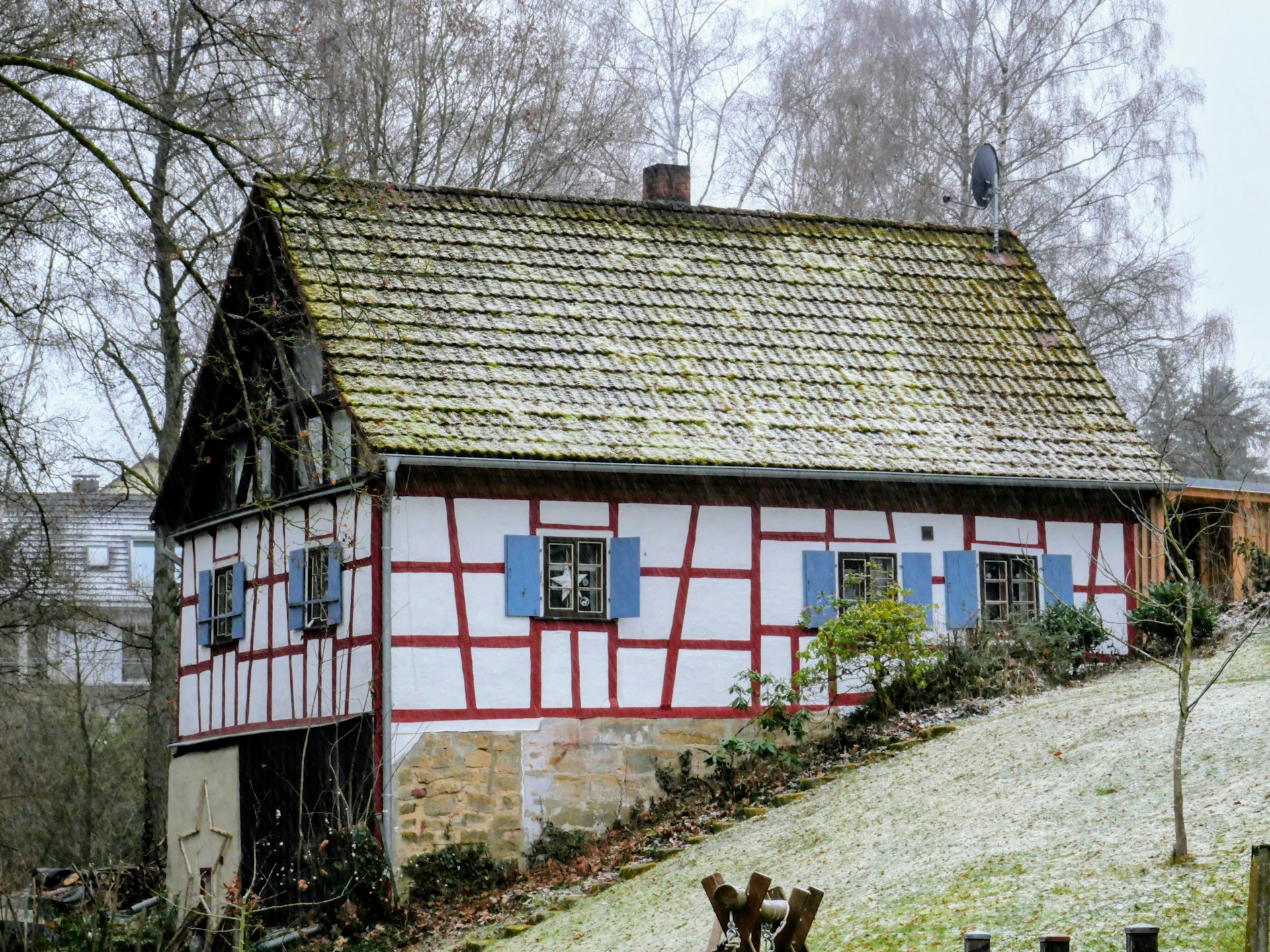
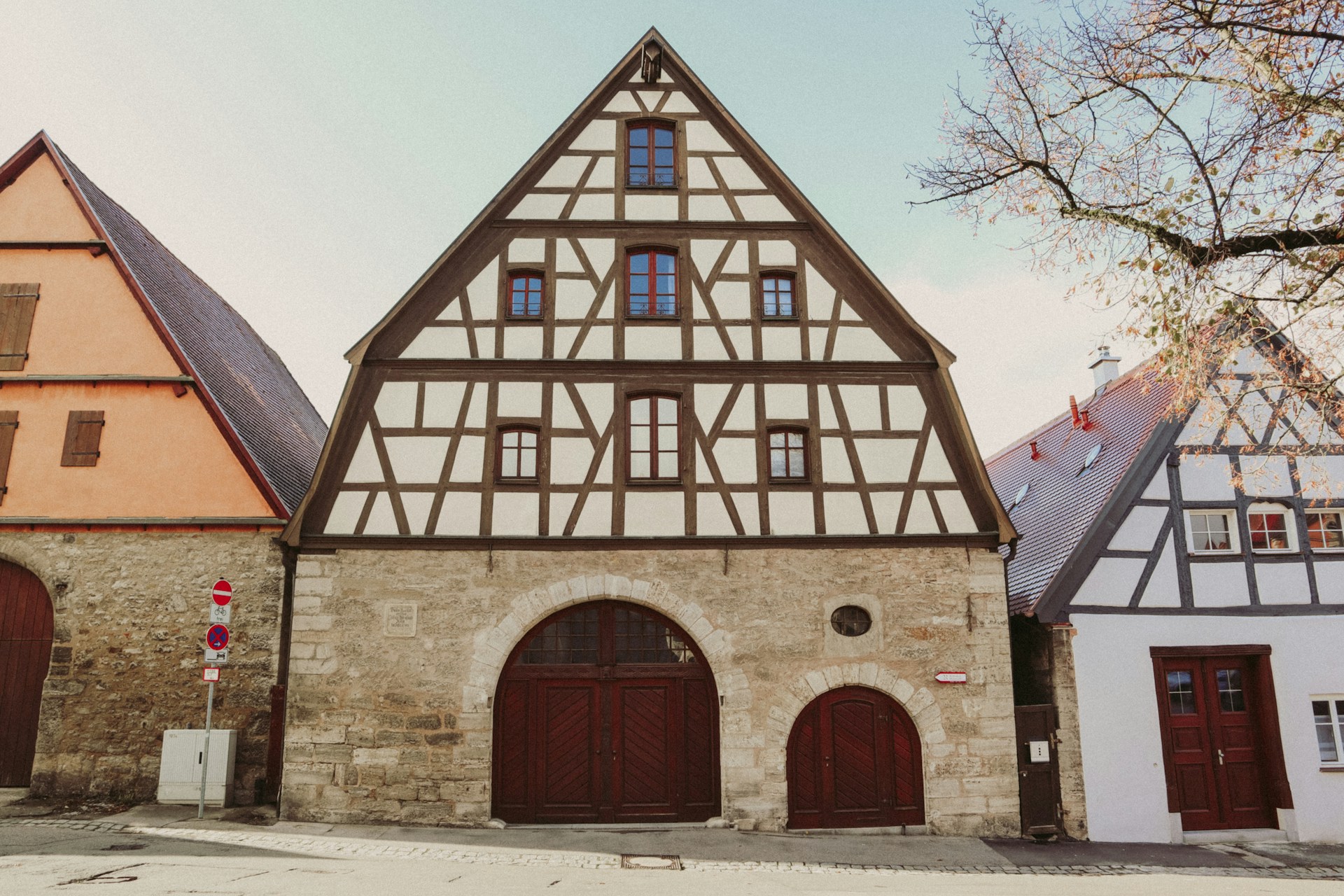
Roofs are a major part of a German home’s visual identity. Traditional pitched roofs are common, partly because they work well with Germany’s varied weather conditions. Steep or moderately angled roofs can help with rain and snow while also creating useful attic space. In some regions, roof shapes and materials have become part of the local architectural character. Modern homes may use flatter or more minimalist roofs, but traditional pitched forms remain an important visual reference.
Brick, Plaster, and Natural Materials
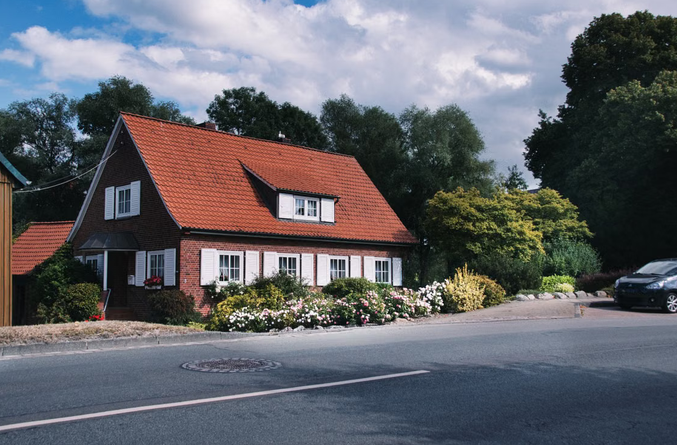
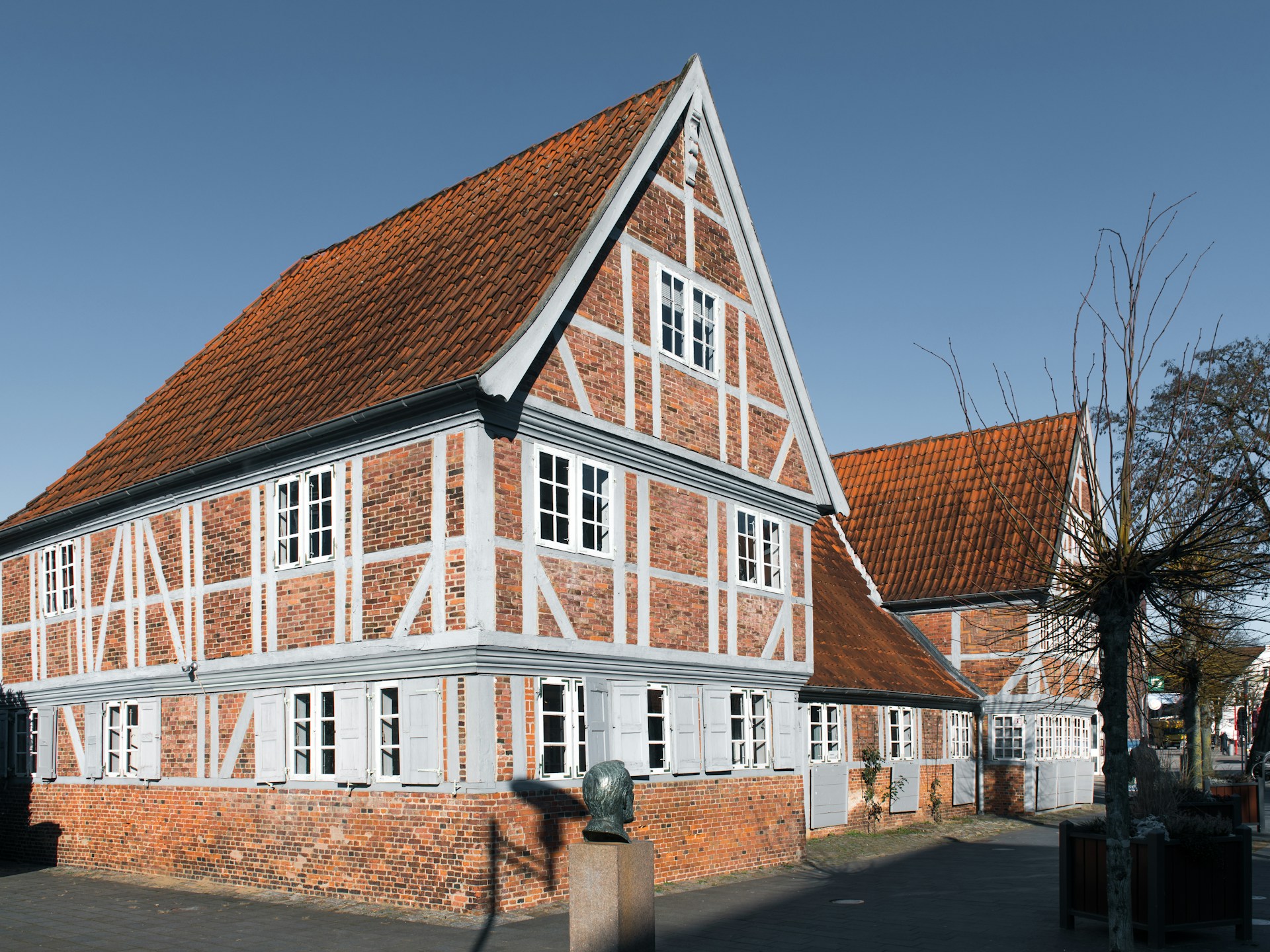
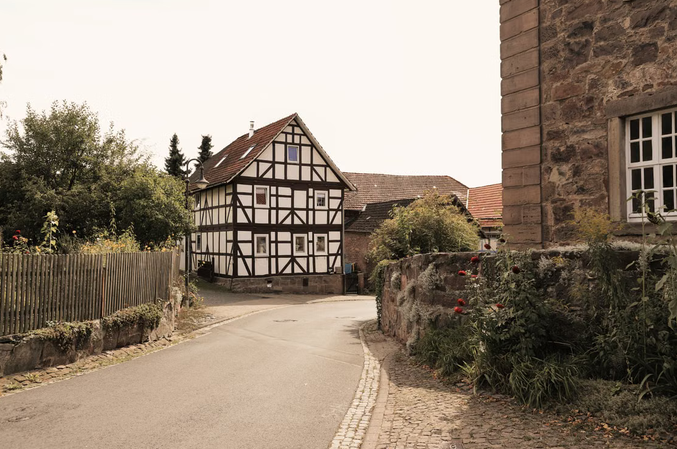
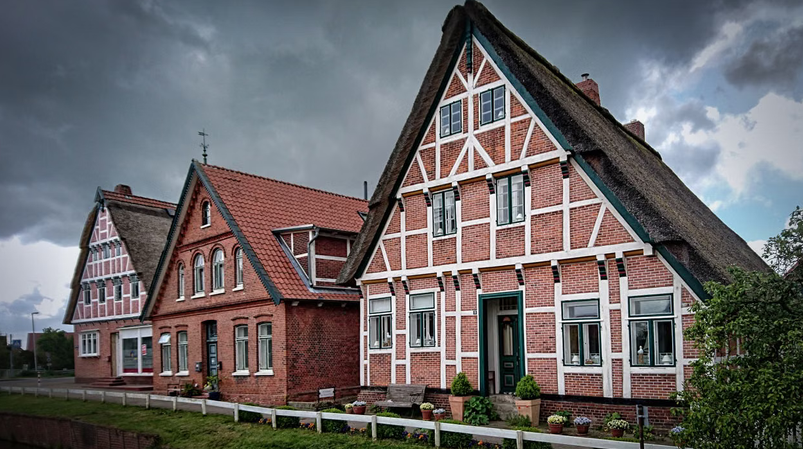
Materials can instantly change the personality of a house. In northern Germany, brick is strongly associated with regional architecture, while rendered or stucco walls are common in many other areas. Timber also has a long history, especially in traditional half-timbered houses. These materials aren’t simply decorative choices. They reflect local building traditions, available resources, climate, and craftsmanship. Modern homes may mix these familiar materials with glass, steel, and concrete to create a fresh interpretation of the German style.
Windows That Are More Than Just Windows
German homes often make thoughtful use of windows, balancing natural light with energy efficiency and privacy. Large contemporary windows can give newer houses a bright, open feeling, while traditional homes may have smaller, carefully proportioned openings. Shutters, window frames, and surrounding details can also contribute to the overall appearance. The result is often a home that feels connected to its surroundings without completely opening itself up to the street.
Regional Styles
There isn’t really one single German house style. Architecture can look quite different from Bavaria to Hamburg, from the Black Forest to the Rhineland. Bavarian homes, for example, may feature balconies, generous roof overhangs, and decorative details, while northern buildings can have a more restrained brick-based appearance. Historic regional traditions continue to influence new construction, helping give different parts of Germany their own architectural personalities.
Modern German Homes That Keep the Same Spirit
Contemporary German architecture may look very different from a traditional farmhouse, but there is often a common thread. Functionality, durability, energy efficiency, and careful use of space remain important. Simple facades, efficient insulation, sustainable materials, and clever layouts can create homes that feel distinctly modern while still fitting comfortably into their surroundings. The goal isn’t necessarily to copy the past but to build something that makes sense for today’s lifestyle.
Landscaping to Complete the Picture
The architecture is only part of what makes a German home feel German. Gardens, paths, fences, balconies, and outdoor spaces all contribute to the overall impression. Landscaping is often tidy and intentional without necessarily feeling formal. A simple lawn, well-maintained plantings, a paved walkway, and an understated fence can make even a very modern house feel settled into its neighborhood.
What makes a German home look German isn’t one particular roof, material, or architectural feature. It’s the combination of practical design, regional traditions, thoughtful proportions, durable materials, and a strong connection to its surroundings. Traditional and modern homes may look completely different at first glance, but both can share the same underlying philosophy: make the building useful, comfortable, durable, and appropriate for its setting. That balance is a big part of what gives German residential architecture its lasting appeal.